Your 7-Day Emergency Food Plan: Simple Steps for Building a Practical Supply in 2026
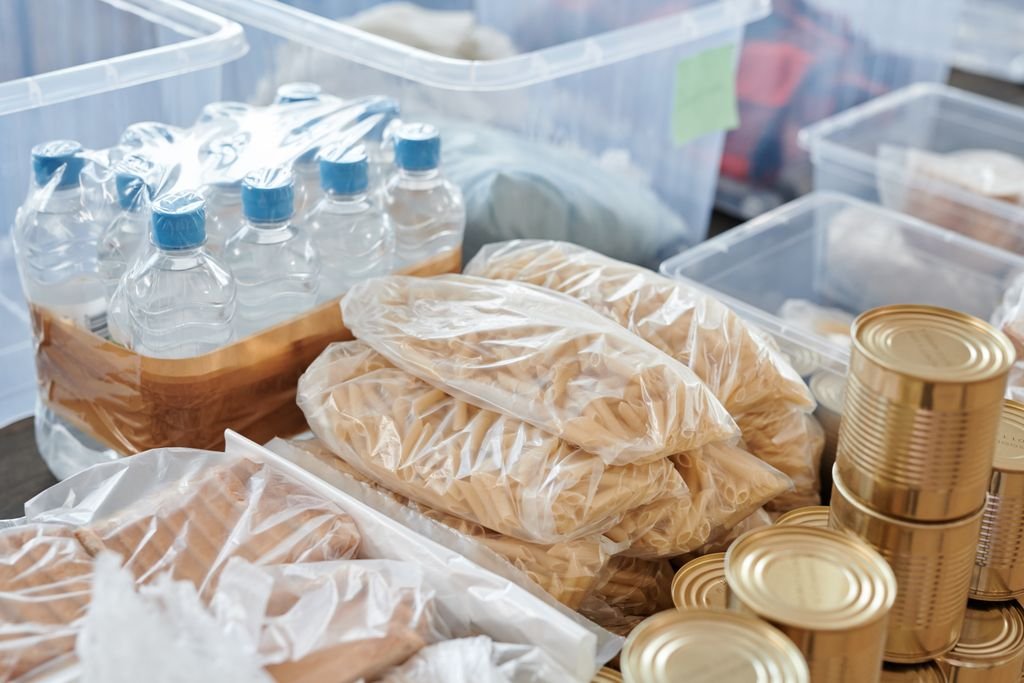
Most of us probably have enough food at home to get through a day or two without visiting the shops. There may be meals in the freezer, leftovers in the fridge and a collection of tins or packets at the back of a cupboard.
The problem is that an unplanned collection of food isn’t necessarily the same as a dependable emergency supply.
A prolonged power cut could make refrigerated food unsafe and leave you without your usual cooking appliances. Severe weather could make travelling difficult, while a local water problem could affect both drinking and food preparation. Illness, transport disruption or problems with supermarket deliveries could also make it harder to buy what you normally need.
This doesn’t mean filling a spare room with specialist survival food. For most households, a seven-day food supply can simply be a slightly deeper and better-organised version of the kitchen cupboards they already use.
The aim is straightforward: enough familiar food to feed everyone in the household for a week, without relying on the fridge, freezer or mains electricity continuing to work.
Why Prepare for Seven Days?
The UK Government’s Prepare campaign recommends keeping non-perishable food that doesn’t need cooking, including ready-to-eat tinned meat, fruit and vegetables. It also reminds households to include a tin opener, pet food and any necessary baby supplies.
The Government doesn’t specifically tell every household to store seven days of food. The amount needed will depend on individual circumstances, available space, dietary requirements and the sort of disruption being planned for.
Three days is a useful starting point, and my existing guide to 72-hour food preparedness covers those first few days in more detail.
A full week provides a little more breathing room. It means a short disruption doesn’t immediately become a shopping emergency, and a longer problem is less likely to leave you dependent on whatever happens to remain available locally.
Seven days is also a manageable target. It’s long enough to make a meaningful difference, but still realistic for an ordinary household with limited storage space and a normal food budget.
Preparedness Isn’t Panic Buying
The early weeks of the COVID-19 pandemic provided a clear example of how quickly normal shopping habits can change.
As people became concerned about lockdowns and possible shortages, supermarket shelves were cleared of products such as pasta, rice, flour, tinned food and UHT milk. In March 2020, major supermarkets including Tesco, Sainsbury’s and Asda introduced temporary limits on how many of each grocery item customers could buy.
This was often described as supermarket rationing, although it wasn’t the same as government-controlled wartime rationing. Retailers were limiting purchases so that more customers had a chance of finding what they needed.
At the time, supermarkets said food was continuing to enter the supply chain, but shops couldn’t replenish shelves quickly enough to match the sudden increase in demand. Products that would normally have been purchased gradually over several weeks were being bought within a matter of days.
This is one of the strongest arguments for keeping a modest supply at home before a disruption happens.
A household with a week of familiar food already available doesn’t need to join a last-minute rush. There’s less pressure to visit several shops, accept unsuitable substitutes or buy excessive quantities simply because other people appear to be doing the same.
Preparedness and panic buying aren’t the same thing. Panic buying happens suddenly, usually after a warning or event has already occurred. Sensible preparedness happens gradually, through ordinary shopping, without emptying shelves or preventing somebody else from buying what they need.
The aim isn’t to predict a nationwide food shortage. It’s to make sure a short period of unusually high demand, temporary purchase limits or gaps on local shelves doesn’t immediately become a problem for your household.
Your Fridge and Freezer Aren’t a Seven-Day Food Plan
Food already in the fridge or freezer can be useful at the beginning of an emergency, but it shouldn’t be counted as part of your dependable seven-day supply.
During a power cut, a closed fridge should keep food at a safe temperature for up to four hours. A full freezer may keep food frozen for up to 48 hours, while a half-full freezer may only manage around 24 hours.
These are estimates rather than guarantees. The age and design of the appliance, the room temperature, how full it is and how often the door is opened will all affect the result.
Keeping the doors closed is one of the simplest things you can do. Every time they’re opened, cold air escapes and the safe window becomes shorter.
A fridge thermometer is also worth having. Food Standards Scotland normally advises keeping a fridge at 5°C or below. During a power cut, food can remain stored in the fridge while it stays below 8°C. Once the temperature reaches 8°C or more, food that normally requires refrigeration should generally be eaten within four hours.
The practical lesson is simple: use suitable refrigerated food first, then move on to food from the freezer if it begins to defrost and is still safe to eat. Your shelf-stable supply is what carries you through the rest of the week.
Don’t assume food is safe simply because it looks or smells normal. Follow the latest Food Standards Agency advice on food safety during a power cut if an outage occurs.
A seven-day emergency supply should work even if everything in the fridge and freezer eventually has to be discarded.
What Does a Week’s Food Actually Look Like?
It’s easy to buy a cupboard full of tins and still discover that they don’t add up to many complete meals.
A simpler way to plan is to think about eating occasions rather than individual products. For one person, seven days normally means seven breakfasts, seven lunches and seven evening meals. That gives you 21 basic meal portions before snacks, drinks and extras are considered.
For two people, that becomes 42 meal portions. A family of four would need enough food to cover 84 eating occasions.
That doesn’t mean buying 84 separate tins or packets. A box of cereal may cover several breakfasts. A jar of peanut butter could contribute to several lunches. A packet of pasta, jar of sauce or large tin may provide more than one portion.
The point is to work backwards from the meals your household is likely to eat rather than forwards from an arbitrary shopping list.
It’s also worth being realistic about portion sizes. A small tin of soup may look like a complete meal when it’s sitting on the shelf, but it may not be enough on its own for an adult. The same applies to snack bars, instant noodles and other smaller products.
Everyone’s requirements will be different. Age, appetite, activity level, health, allergies and dietary choices will all affect what a suitable week of food looks like.
A dairy-free household may rely on long-life plant-based milk rather than UHT cow’s milk. Someone following a gluten-free diet may need suitable crackers, cereal, pasta and ready meals that could be more difficult to replace during a sudden rush on the shops.
The aim isn’t to create one universal shopping list. It’s to make sure your own household has enough suitable food to cover the week.
Build Meals, Not a Random Collection of Food
A dependable supply should contain foods that work together.
Breakfast might be based around cereal, porridge, long-life milk, tinned fruit, dried fruit, oat bars or crackers with a suitable spread. Lunch could involve shelf-stable bread products, oatcakes, tinned fish, ready-to-eat pulses, soup, tinned meat or nut butter.
Evening meals might use tinned chilli, curry, stew, vegetables, potatoes, pasta, couscous or ready-to-eat grain pouches. The exact choices will depend on what your household normally eats and how much cooking will be possible.
There’s nothing particularly exciting or unusual about these foods, and that’s the point. Emergency food should still resemble food you’d normally choose to eat.
Try to include some variety rather than buying seven identical meals. Appetite can change during a stressful situation, and eating the same thing repeatedly may become unpleasant surprisingly quickly.
A mixture of carbohydrates, protein, fruit, vegetables and energy-dense snacks will also be more useful than a cupboard built entirely around one type of food. It doesn’t need to represent a perfect week of nutrition, but it should provide recognisable meals rather than a collection of disconnected ingredients.
Familiar treats matter too. Tea, coffee, hot chocolate, biscuits, sweets or a favourite snack may not seem essential, but a small amount of normality can make an uncomfortable week easier.
How Much Food Should Work Without Cooking?
At least part of the supply should be edible without heat or added water.
A power cut could stop an electric hob, oven, microwave and kettle from working. Some modern gas appliances also rely on electricity for ignition or controls. Even where cooking remains possible, it may be sensible to conserve fuel.
As a minimum, aim to have two or three days of meals that can be eaten cold or prepared with almost no cooking. Ideally, every day of the plan should contain at least one completely no-cook option.
Tinned fish, tinned meat, ready-to-eat beans, fruit, crackers, wraps, nut butter, cereal, long-life milk and some food pouches can all be used without heating. Tinned meals and soup may be more pleasant when warmed, but many can still be eaten cold if necessary. Always check the preparation and storage instructions on the packaging.
Dried rice, pasta and beans are cheap and useful, but they require water, heat and time. They can form part of the supply, particularly if you have a reliable cooking method, but they shouldn’t be its entire foundation.
Couscous, instant noodles, quick-cook pasta and ready-cooked pouches generally use less fuel. They often cost more per portion, so a sensible cupboard may contain a mixture of ready-to-eat food and lower-cost ingredients that require limited preparation.
Think about whether each meal would still be usable during a power cut. A cupboard containing seven days of ingredients isn’t much help if most of them depend on an electric oven or require long cooking times.
Think About Cooking Before You Need It
It isn’t enough to own food that can theoretically be cooked. You also need a safe and practical way to prepare it.
Households with portable power stations may be able to operate some small cooking appliances, although kettles, microwaves, induction hobs and other heating appliances can draw a substantial amount of power.
My guide to short-term power backup options explains some of the equipment that may help keep smaller essentials running.
My article on how I prepare for a power cut also gives a real-world example of the batteries, power stations and lighting I keep ready for an outage.
Outdoor cooking equipment needs particular care. Camping stoves, barbecues and other appliances designed for outdoor use mustn’t be brought inside the home, a tent, garage or another enclosed space. They can produce carbon monoxide, which can cause serious or fatal poisoning without being seen or smelled.
If you don’t have a safe alternative cooking method, build a larger proportion of your seven-day supply around genuinely ready-to-eat food.
It’s also worth testing your intended cooking method before you need it. Find out whether it works with the pans you own, how much fuel or stored electricity it uses and whether it can prepare the meals you’re planning to store.
Don’t Forget the Water
Food preparedness and water preparedness can’t be separated.
Pasta, rice, dried beans, powdered milk, instant meals and hot drinks all use water. You may also need water to wash utensils, clean preparation surfaces and make up certain foods.
This can add a surprising amount to your requirements.
The Government’s Prepare campaign references a minimum of around 2.5 to 3 litres of drinking water per person per day for survival. Around 10 litres per person per day provides greater comfort by also allowing for basic cooking and hygiene. Extra water may be required for pets, medical devices and baby formula.
My three-day emergency water plan explains the basics of storing drinking water safely.
For a more precise figure, the UK Emergency Water Storage Calculator can estimate your household’s drinking and hygiene requirements for three, seven or fourteen days. It can also account for pets and the water you already have available.
When planning meals, check how much water each one needs. A cupboard full of dried food is much less useful if your stored water only covers drinking.
Ready-to-feed baby formula is particularly important during a disruption because you may not be able to boil water or sterilise feeding equipment safely. The Prepare campaign specifically recommends ready-made or ready-to-feed formula for emergency supplies.
The Small Extras That Make the Food Usable
A good supply can still fail because of something as simple as not having a working tin opener.
Keep at least one manual tin opener that everyone in the household can use. An electric model isn’t much help during a power cut, and the small opening rings on some tins can break.
Consider how you’d prepare and serve the food as well. You may need a pan suitable for your backup cooking method, a lighter or ignition source, basic utensils, kitchen roll, cleaning products and a way to wash up while using less water.
Disposable plates and cutlery aren’t necessary for everyday preparedness, but a small supply may reduce washing-up during a water outage. Reusable camping plates and cutlery can do the same job without creating as much waste.
Food that can be eaten directly from its container may also reduce the amount of cleaning required. This could be useful if your normal water supply has been interrupted.
Don’t forget prescription requirements or medical needs connected to food. Some medicines need to be taken with meals, and some people require reliable access to particular foods or drinks.
Allergies, intolerances, religious requirements and sensory needs should be reflected in the supply. Someone who can only eat a limited range of familiar foods may be particularly affected if those products become difficult to find.
The best emergency food isn’t the product with the longest date. It’s the food that the people in your home can safely prepare and will actually eat.
Consume What You Store
A separate cupboard filled with forgotten “emergency food” is difficult to manage. Products disappear behind one another, dates are missed and tastes change.
A working pantry is much simpler.
Buy slightly more of the shelf-stable foods you already use. Place new products behind the older ones, take food from the front and replace it during your next normal shop.
This is sometimes described as “first in, first out”, but it’s really just sensible cupboard organisation.
The most useful rule is: consume what you store and replace what you consume.
Don’t store ten tins of something if your household only eats one a year. Even if the product has a long shelf life, you may struggle to rotate it before its date. It makes more sense to keep additional quantities of foods that already appear in your normal meals.
Think about how quickly you normally use each item. If your household eats two tins of a particular product every month, keeping several extra tins may be easy to manage. If nobody particularly likes it, buying a large quantity because it was cheap probably isn’t sensible.
Check the cupboard every few months. Look for approaching dates, damaged packaging, rusted or badly dented tins, leaks, signs of pests and anything that’s no longer likely to be eaten.
It’s also important to understand the dates printed on food. A use-by date relates to safety, and food shouldn’t be eaten after it even if it looks or smells normal. A best-before date relates primarily to quality. Properly stored food may still be safe after its best-before date, although its flavour, texture or appearance may have deteriorated.
Most of the dependable seven-day cupboard should therefore consist of shelf-stable products with sensible best-before dates rather than short-life refrigerated products carrying use-by dates.
Don’t wait until an emergency to try unfamiliar food. Eat one portion first. Check whether you like it, whether it’s filling enough, how easy the packaging is to open and how much water or cooking it requires.
Build the Supply Gradually
Preparing for a week doesn’t require one large supermarket trip, and it shouldn’t involve clearing shelves when other people are trying to prepare for the same disruption.
The best time to build a supply is when everything is normal. Add one or two extra shelf-stable products to an ordinary shop, choosing foods your household already consumes.
Over time, those small additions can become several days of dependable meals without creating a large bill or contributing to sudden shortages.
You could begin by covering one extra day of breakfasts, lunches and evening meals. Once those are stored and incorporated into your normal rotation, add another day.
Another approach is to buy one additional unit whenever you purchase a regularly used shelf-stable product. If you normally buy one tin of tomatoes, buy two and place the newer one at the back. The same approach works with cereal, long-life milk, soup, beans, tinned fish and other products you use regularly.
This gradual approach spreads the cost and reduces the temptation to buy a large quantity of cheap food that nobody particularly likes.
Supermarket own-brand products are often perfectly suitable. Specialist emergency meals can be compact and convenient, but they aren’t essential for a basic seven-day plan.
The aim isn’t to create the most impressive stockpile. It’s to maintain enough ordinary food that a few empty shelves or temporary purchase limits don’t immediately affect you.
Remember Pets and Other Household Needs
Pet food should be treated as part of the same seven-day plan, not as an afterthought.
Keep enough of your pet’s normal food rather than relying on an unfamiliar replacement. Sudden dietary changes can cause problems, particularly during an already disruptive situation. Include treats, necessary medicines and drinking water.
Households with babies or young children will need nappies, formula, baby food and suitable snacks. Older people, disabled household members and anyone with reduced hand strength may need packaging that’s easier to open.
Dietary needs should also be considered before buying in bulk. Gluten-free, dairy-free, allergy-safe and medically required products may be more difficult to replace at short notice, so maintaining a sensible rotating supply can be particularly useful.
Think about whether suitable alternatives would still be available if shops introduced purchase limits or popular products disappeared from local shelves. Keeping a small reserve of essential specialist foods may be more important than storing a large quantity of general-purpose products.
Your Seven-Day Supply Should Look Normal
A practical emergency food supply doesn’t need to look like a warehouse of survival rations.
It should look like a well-organised cupboard containing more of the foods you already eat, with enough ready-to-eat options to cope without refrigeration or mains-powered cooking.
You’re aiming for enough suitable food to cover the household’s normal eating occasions for seven days, along with snacks, drinks and a reasonable amount of variety.
At least two or three days should work without cooking, and the rest shouldn’t depend on large quantities of fuel or water.
You should also have sufficient drinking and cooking water, a manual tin opener, a safe way to prepare food, any essential baby or medical supplies, and seven days of food and water for pets.
Most importantly, the supply shouldn’t be left untouched until its dates pass. Eat it, replace it and keep it moving through the household.
Preparedness doesn’t need to begin with a huge order or a complete seven-day shopping list. Start by adding one extra day of food. Once that’s organised, add another.
For a broader starting point covering food, water, power and other household essentials, see The Basics of Personal Preparedness: A UK-Based Guide.
A little disclosure: there are affiliate links on this website! That just means if you click on a link, find something you like and buy it, this site might receive financial benefit. Don’t worry, you won’t pay any extra – sometimes you might even get a discount. These links help to pay for the upkeep of the site.
Disclaimer: The content of this website is opinion and should never be considered as professional advice. Always consult a professional in the relevant areas.