A Cyber Attack Shut Down a UK Generator: What Does It Mean for Household Preparedness in 2026?
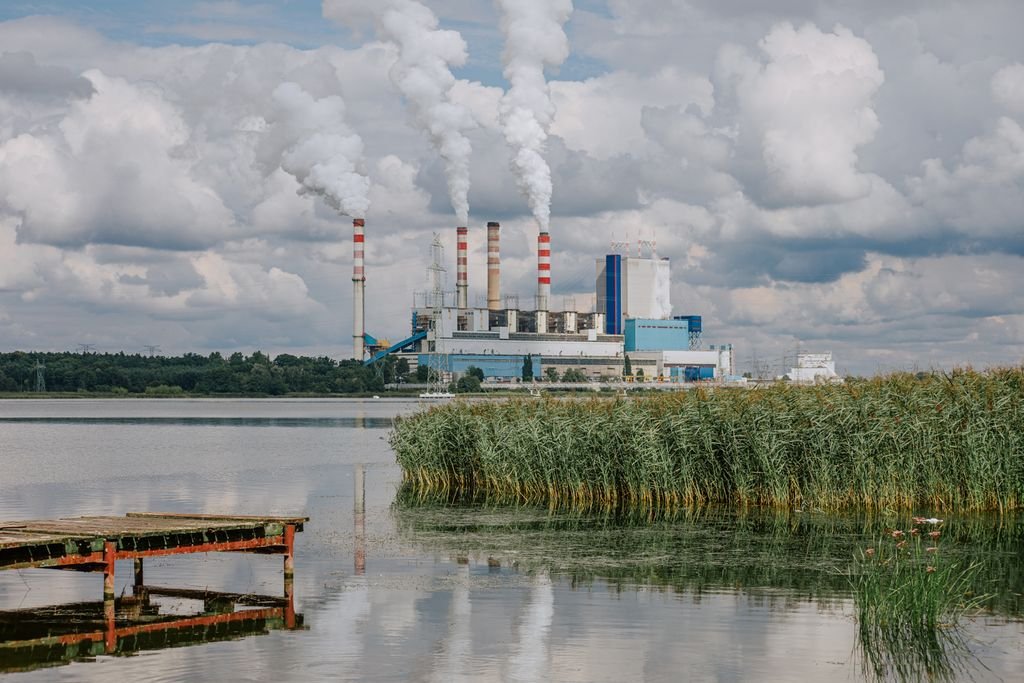
A report that hackers linked to Iran forced a UK power generator offline for four days is the sort of headline that naturally makes us picture the lights going out across the country. That wasn’t what happened.
The Government says the affected site was a small-scale energy generator, and that there was no risk to the wider electricity system. No household power supply was affected. But the incident is still a useful reminder that the systems we rely on are digital as well as physical — and that the sensible household response to any possible disruption is the same: make a few ordinary preparations before we need them.
This is not a reason to panic-buy, or to assume a national blackout is around the corner. The UK electricity system is designed with layers of protection and backup, and most power cuts remain local and short-lived. It is a prompt to be prepared for the much more familiar things that can happen during a storm, fault or local outage.
What happened at the UK generator?
On 23 August 2026, the Guardian reported that a cyber attack blamed on hackers linked to Iran had forced a British power plant to shut down temporarily in July. The shutdown reportedly lasted four days.
The Department for Energy Security and Net Zero said the incident involved a small-scale generator and that, at no point, was the wider energy system at risk. The site has not been named, which is sensible: identifying a specific facility can create further security problems. The National Cyber Security Centre (NCSC) is understood not to have received reports of outages from regulated power-station operators.
There are important limits to what has been made public. We do not know the generator’s location, technology, capacity or the exact route into its systems. We also have not seen a public technical assessment that would independently prove who was responsible. For that reason, it is fairest to say the attack was reported to be Iran-linked, rather than presenting attribution as settled fact.
That uncertainty does not make the incident unimportant. It shows the difference between an attempted intrusion and a disruption that actually stops a site operating — even if this one did not affect customers or grid stability.
Have China or Russia tried similar things?
Yes, although the evidence and the outcomes are very different.
Russia has caused confirmed power cuts in Ukraine
The strongest public examples are Russian cyber operations against Ukraine’s electricity system. The UK Government attributes the 2015 BlackEnergy attack to Russia’s GRU Unit 74455; it disabled part of Ukraine’s grid, leaving about 230,000 people without power for between one and six hours. A 2016 attack using grid-focused malware cut power to about a fifth of Kyiv for more than an hour. The Government’s profile of the GRU operation sets out both incidents.
These were real service interruptions, not just theft of data or a website being taken offline. They remain some of the clearest examples of a state-linked cyber attack causing an electricity outage.
Russia also launched the destructive NotPetya attack in 2017. Its primary targets included Ukrainian financial, energy and Government organisations, but its indiscriminate design spread much further. The UK publicly attributed it to the Russian Government and said it affected businesses in Europe and Russia as well as Ukraine. NotPetya did not switch off a national grid, but it is an important example of how a cyber attack aimed at one country can cause wide disruption elsewhere — from ports and shipping to businesses that could no longer use their computer systems.
Ukraine’s situation also needs context. Since Russia’s full-scale invasion, its power system has suffered enormous damage from missiles and drones as well as cyber activity. We should not label every Ukrainian electricity interruption a cyber attack.
China is assessed to be preparing access, not publicly confirmed to have caused a comparable blackout
China-linked actors are a serious concern, but the public picture is different. The NCSC says that Volt Typhoon, a China state-sponsored actor, has used networks of compromised routers and internet-connected devices to pre-position offensive capability on critical national infrastructure. The concern is that access to energy, transport and water systems could be used for disruption in a future crisis.
The key word is could. The NCSC’s 2024 annual review describes compromises of US critical infrastructure and says the targeting may be laying groundwork for future disruptive or destructive attacks. It does not say that Volt Typhoon has caused a public, widespread electricity blackout in the UK or United States.
That distinction matters. Pre-positioning is worrying and worth defending against, but it is not the same thing as a power cut. A measured article should not turn an intelligence warning into a claim that an attack is inevitable.
Iran has targeted industrial-control equipment
Iran-linked activity has also reached beyond ordinary websites and office networks. A joint FBI and CISA advisory says that IRGC-affiliated actors using the name CyberAv3ngers compromised at least 75 internet-connected industrial-control devices between November 2023 and January 2024, including at least 34 connected to US water and wastewater facilities. The advisory also says the NCSC observed targeting of programmable logic controllers in the UK as part of a wider campaign against Israel and Israeli-made technology.
These devices can control real-world processes. However, the joint advisory is careful about the evidence: some of the group’s public claims about infrastructure attacks were false. The known US compromises were serious, but they were not a nationwide water outage. That is another useful warning against treating every dramatic claim online as proof of widespread disruption.
Has a cyber attack caused widespread disruption elsewhere?
It has, but the cases are relatively rare — and their effects depend on what was targeted.
- Ukraine, 2015 and 2016: cyber attacks caused confirmed electricity outages affecting hundreds of thousands of customers in 2015 and part of Kyiv in 2016.
- NotPetya, 2017: destructive malware spread far beyond its original Ukrainian targets, disrupting large organisations around the world and causing very substantial economic losses. The disruption was mostly to computers, logistics and business operations rather than a general household power failure.
- Colonial Pipeline, United States, 2021: a criminal ransomware attack led the company to halt pipeline operations while it dealt with the incident. It contributed to fuel shortages and queues in parts of the eastern US, as the US Government Accountability Office records. That is a good reminder that disruption can come through a cautious shutdown by the operator, not only through an attacker directly controlling physical equipment.
The pattern is less cinematic than a single hacker “switching off the country”. More often, an attack disrupts one organisation, forces a precautionary shutdown, delays payments or deliveries, or affects communications. Those problems can still be very inconvenient, especially when they overlap with bad weather or a local fault.
What does this mean for a UK household?
The practical lesson is not to prepare specifically for Iran, Russia or China. A household cannot meaningfully defend the national grid, and we should not try to guess the next geopolitical flashpoint.
We can prepare for the effects of a short interruption to electricity, water, mobile signal, card payments or travel. Those same basics help whether the cause is a storm, equipment fault, fire, cyber incident or something else entirely.
The Government’s Prepare guidance on power cuts says that most outages are local and short-lived, while recognising that longer and more widespread ones can happen. It also points out that gas ovens, boilers, heat pumps, home internet and — in some areas — mobile signal or mains water can be affected when the power fails.
What changes when an outage lasts longer?
The first hour is mostly an inconvenience. We find a torch, check the fuse box, look out of the window to see whether the street is affected, and charge a phone if we can.
After several hours, the knock-on effects become more important. The broadband router will already be off, while mobile networks may become busy or lose local backup power, and many card terminals and cash machines may be unavailable. Fridges and freezers begin to become a food-safety problem. In winter, a home with a gas boiler or heat pump can become cold surprisingly quickly because both usually need electricity to run their controls and pumps.
After a day or two, a power cut can become a wider household problem even if we still have lights from a power bank. Shops may have limited opening hours or be unable to take electronic payments. Fuel stations need electricity too. Lifts, electric gates, traffic signals, some water pumps and electrically operated medical or mobility equipment may not work as usual. If the outage is regional, deliveries and public transport can also be disrupted.
This doesn’t mean every one of these things will fail in every outage. Many essential services have backup arrangements. The point is to avoid building a plan around just one thing — for example, a phone charger — when water, food, warmth, medicines and information may matter more by the second day.
Keep the basics working first
For us, a reasonable starting point is:
- Make light easy. Keep a battery or wind-up torch and spare batteries where everyone can find them. Torches are safer than candles.
- Keep phones usable, but do not rely on them alone. Keep power banks charged and write down key contact numbers, including 105 to report a power cut in England, Scotland and Wales, on paper. A battery or wind-up radio gives us another way to hear updates. My guide to short-term power backup options explains how to prioritise small, useful loads such as phones, radios and LED lights.
- Have water for drinking and basic hygiene. Enough stored water for a few days gives us breathing room if a power cut also affects pumps, shops or local supply. Use the three-day emergency water plan and emergency water storage calculator to work out a realistic amount, remembering babies, pets and medical needs.
- Plan food around the loss of the fridge and cooker. Keep suitable refrigerated food cold by opening the door as little as possible, but do not count it as your whole emergency food plan. A few familiar meals and snacks that need no refrigeration or cooking are far more useful after the first day. My seven-day emergency food plan covers food safety, quantities and building meals from normal cupboard items.
- Keep a little flexibility for shopping and travel. Avoid making a last-minute dash to the shops or petrol station after an outage begins. Keep the car reasonably fuelled if you have one, know a couple of local walking routes, and consider a modest amount of cash stored securely at home for occasions when card payments are unavailable. Do not depend on cash alone — it is simply one more option.
- Make a warmth and comfort plan. Keep blankets, layered clothing and warm drinks that can be made safely without mains electricity where appropriate. Never use outdoor barbecues, charcoal burners or camping stoves indoors; carbon monoxide can kill. In warm weather, think about keeping rooms shaded, drinking enough water and checking on anyone at greater risk from heat.
- Plan for health, access and neighbours. Check how medical equipment, telecare, a landline, an electric stairlift or a powered mobility aid will work without mains power. Ask providers about backup arrangements and Priority Services Registers if this applies to your household. Agree how you’ll check in with relatives or neighbours if phones and internet are unreliable.
A simple 72-hour power-cut plan
The most useful goal is not to run the house as normal. It is to reduce what we need from electricity for three days.
- Lighting: one safe torch or lantern for each regularly used room, plus spare batteries.
- Information: charged phone power banks, a radio, written contacts and a family check-in plan.
- Water: drinking water already stored, plus a way to keep it accessible in the dark.
- Food: three days of familiar food that can be eaten cold or prepared safely without mains power, with a manual tin opener.
- Warmth and health: blankets, everyday medicines, basic first aid and a plan for people who use powered equipment.
That’s a more useful starting point than buying a large generator or trying to power every appliance. A portable battery can make a real difference to lights, phones and perhaps a router, but it has limits. My power-cut preparedness setup is a helpful real-world example of choosing what to run and what to leave off.
For a longer regional problem, the lesson from the Spain and Portugal blackout is that communication, transport and shops can be just as important as the light in the living room. A few days of ordinary household supplies give us time to make better decisions, rather than joining a rush for the last batteries, water or fuel.
The sensible conclusion
The reported UK generator incident is a real reason for energy companies and Government to take cyber resilience seriously. It is not evidence that a national blackout is imminent.
For households, the best response is simple: a torch, charged power bank, a little water and food, a way to hear updates, and a plan for anyone who might need help. Those things are useful for the far more common local power cut too.
An emergency isn’t the best time to work them out.
A little disclosure: there are affiliate links on this website! That just means if you click on a link, find something you like and buy it, this site might receive financial benefit. Don’t worry, you won’t pay any extra – sometimes you might even get a discount. These links help to pay for the upkeep of the site.
Disclaimer: The content of this website is opinion and should never be considered as professional advice. Always consult a professional in the relevant areas.